
By Polished Smiles of Round Rock | October 21, 2026
A missing tooth can affect more than your appearance. It may change the way you chew, make certain foods harder to enjoy, and leave you wondering what to do next. The good news is that modern tooth replacement options can help restore comfort, function, and confidence.
If you have lost a tooth because of decay, an injury, or gum disease, you do not have to put off exploring your options. Understanding how tooth replacement works can help you make a decision that supports your long-term oral health.
For many people researching dental implants round rock, the first step is learning whether this treatment is suitable for their needs and what to expect before getting started.
What Are Dental Implants?
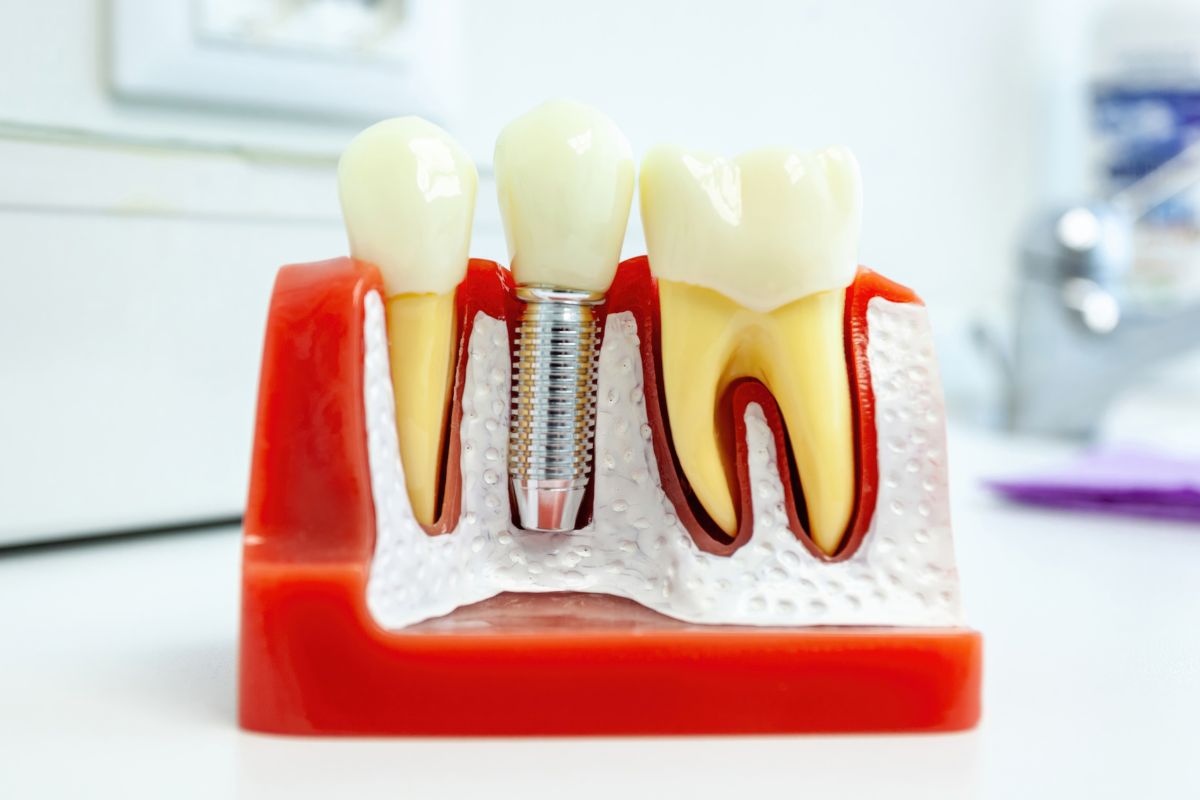
Dental implants are small posts, usually made of titanium, that are placed in the jawbone to support replacement teeth. They act as artificial tooth roots and provide a stable foundation for a dental crown, bridge, or denture.
Unlike traditional removable options, an implant can become integrated with the jawbone through a process called osseointegration. This connection helps provide stability when chewing and speaking.
A typical implant restoration may include:
- The implant post: Replaces the root of the missing tooth.
- The abutment: Connects the implant to the replacement tooth.
- The crown: Creates the visible portion that looks and functions like a natural tooth.
The exact treatment depends on how many teeth are missing, the condition of your gums, and the amount of healthy bone available.
Why Consider Replacing a Missing Tooth?
It may be tempting to leave an empty space if the missing tooth is not visible when you smile. However, a gap can affect your oral health over time.
Replacing a missing tooth may help:
- Restore comfortable chewing.
- Improve speech when a gap affects pronunciation.
- Prevent neighboring teeth from drifting into the empty space.
- Support a more balanced bite.
- Provide a stable alternative to certain removable tooth replacements.
Missing teeth can also contribute to changes in the jawbone because the bone no longer receives the same stimulation from a natural tooth root. Implants can help maintain bone in the area, although they cannot prevent every type of bone loss.
Your treatment options should be based on your individual dental health, not just the appearance of the gap.
Are You a Good Candidate for Dental Implants?
Many adults can receive implants, but a professional evaluation is necessary to determine whether treatment is appropriate.
A dentist in round rock can assess your oral health, review your medical history, and discuss the options available for replacing your missing tooth.
Factors that may affect eligibility include:
- Healthy gums or gum disease that has been treated.
- Adequate jawbone to support the implant.
- Good daily brushing and flossing habits.
- Medical conditions and medications that may affect healing.
- Smoking or tobacco use, which can increase the risk of complications.
If you do not have enough bone to support an implant, a bone graft may be recommended. Gum disease or other oral health problems may also need to be addressed before treatment begins.
Being told that an implant is not suitable right away does not necessarily mean it will never be an option. Ask your provider about the available alternatives and any preparatory treatment that may help.
What Happens During the Implant Process?
Knowing what to expect can make the decision less stressful. Although every treatment plan is different, the process generally follows these stages.
Initial Consultation
Your provider examines your teeth and gums and may use dental X-rays or three-dimensional imaging to evaluate the jawbone and plan treatment.
This is also your opportunity to discuss your goals, budget, concerns, and expected timeline.
Implant Placement
If you are a suitable candidate, the implant post is placed in the jawbone during a surgical procedure. Local anesthesia is commonly used, and additional comfort options may be available depending on your needs.
Healing and Integration
The implant needs time to bond with the surrounding bone. This healing period can take several months, depending on your health and the complexity of the procedure.
A temporary tooth may be possible in some cases, but not everyone is a candidate for immediate replacement.
Attaching the Replacement Tooth
Once the implant has healed sufficiently, your provider attaches the final crown or another suitable restoration. The replacement is designed to fit your bite and blend with your surrounding teeth.
How Much Do Dental Implants Cost?
The cost varies based on the number of implants, the type of restoration, imaging, and whether additional procedures such as bone grafting are needed.
Before agreeing to treatment, ask for a written estimate that explains the different parts of the process.
Here are some helpful questions to ask:
- Does the estimate include the implant, abutment, and crown?
- Will I need a bone graft or other preparatory treatment?
- Does my dental insurance cover any portion of the procedure?
- Are payment plans or financing options available?
- What follow-up visits will I need?
Comparing complete treatment plans is more useful than choosing a provider based on the initial price alone.
Caring for Your Dental Implants
Implants cannot develop cavities like natural teeth, but the surrounding gums and bone still need careful attention. Plaque buildup can lead to inflammation and implant-related complications.
To help protect your investment:
- Brush twice daily with a soft-bristled toothbrush.
- Clean between your teeth and around the implant every day.
- Attend recommended dental checkups and professional cleanings.
- Avoid smoking or tobacco products.
- Contact your provider if you notice bleeding, swelling, pain, or looseness.
Round Rock residents with busy work schedules, school routines, and family commitments can make home care easier by keeping a toothbrush and flossing supplies handy when spending long days away from home.
Frequently Asked Questions
Are dental implants better than bridges?
Neither option is best for everyone. Implants replace the tooth root and generally do not require reshaping neighboring teeth. Bridges may be appropriate when nearby teeth already need crowns or when implants are not suitable. Your provider can explain the advantages and limitations of each option.
How long does the implant process take?
Treatment can take several months, particularly when bone grafting or additional healing is needed. Your timeline depends on your oral health, the placement site, and how well the implant integrates with the bone.
Is getting a dental implant painful?
The procedure is performed with anesthesia to manage discomfort. Some soreness and swelling afterward are common, but these symptoms usually improve as healing progresses. Follow your provider’s aftercare instructions and contact the office if symptoms worsen.
How long can dental implants last?
Implants can last for many years with proper care, but their longevity is not guaranteed. The implant restoration may need repair or replacement over time, and regular dental visits are important for monitoring its condition.
Can I get an implant if I have been missing a tooth for years?
Possibly. Your jawbone may have changed since the tooth was lost, but an examination and imaging can help determine whether an implant is suitable. Some patients may benefit from bone grafting or another preparatory procedure.
Take the Next Step Toward a Complete Smile
Replacing a missing tooth is an important decision, and understanding your options can help you move forward with confidence. From the initial evaluation to the final restoration, the right treatment plan should reflect your oral health, daily needs, and long-term goals.
If you are considering tooth replacement, Polished Smiles Round Rock can help you explore your options and understand the next steps. Schedule an appointment today to discuss your needs and find out whether dental implants are right for you.