
By Polished Smiles of Round Rock | November 12, 2026
A toothache that keeps coming back, swelling around your gums, or a tooth that feels loose can make everyday activities uncomfortable. Whether you’re enjoying a meal with family, heading to work, or grabbing coffee around Round Rock, dental pain can quickly disrupt your routine.
While saving a natural tooth is often the preferred approach, there are situations where removing it may be the healthiest option. Recognizing the warning signs early can help prevent further damage and protect your surrounding teeth and gums.
If you are experiencing ongoing dental problems, Tooth Extractions in Round Rock may be worth discussing with a dental professional. Here are some signs that a tooth may need to be removed and what you should know before making that decision.
When Is Tooth Removal Necessary?
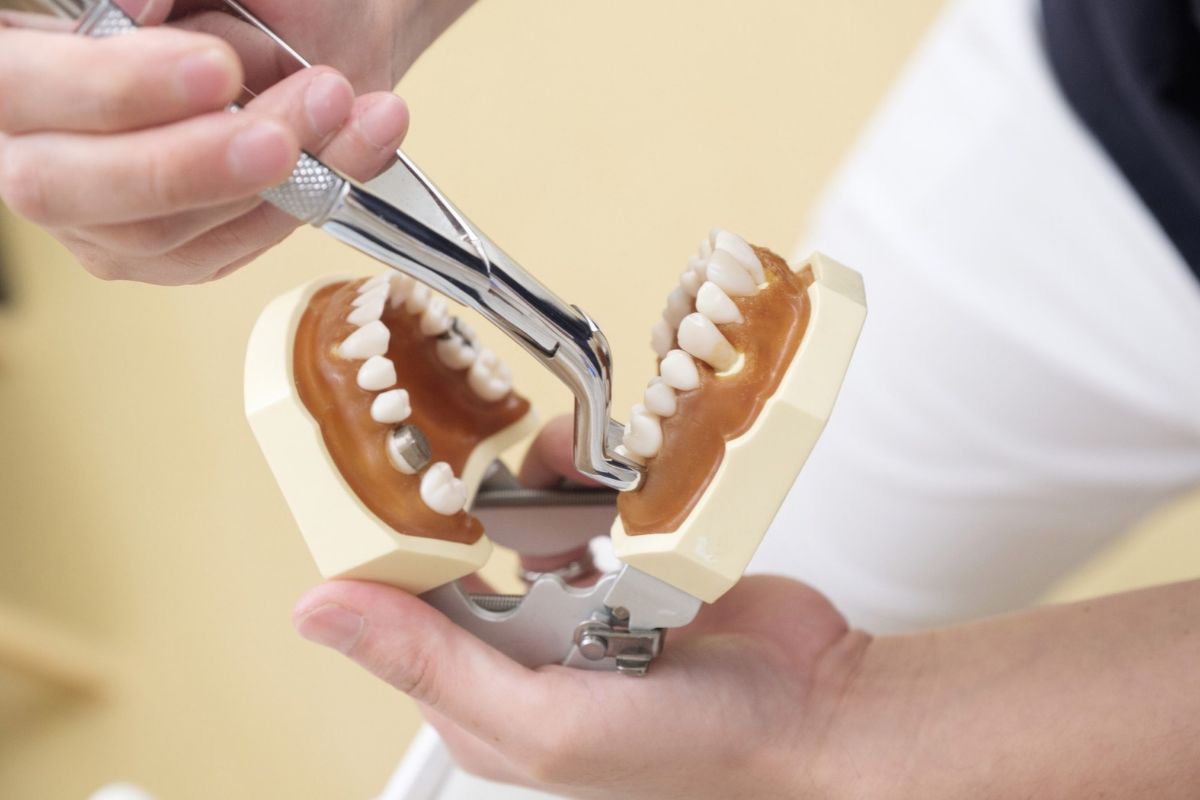
Tooth removal, also called extraction, involves taking a tooth out of its socket. It may be recommended when a tooth is too damaged, infected, or unstable to be restored successfully.
However, extraction is not always the first choice. Your dental provider will examine the affected area, review any necessary X-rays, and determine whether treatments such as fillings, crowns, or root canal therapy can save the tooth.
Let’s look at the warning signs that deserve attention.
Seven Signs You May Need a Tooth Extraction
1. Severe Tooth Decay That Cannot Be Repaired
Cavities can often be treated with fillings or crowns when detected early. But when decay spreads deep into the tooth and destroys too much of its structure, restoration may no longer be possible.
You might notice:
- Persistent tooth pain
- Visible dark spots or holes
- Sensitivity to hot and cold foods
- Pain when biting or chewing
If the damage is extensive, removing the tooth may help prevent further complications.
2. A Dental Infection That Keeps Returning
An untreated cavity or damaged tooth can allow bacteria to reach the inner pulp, potentially causing an infection or dental abscess.
Common warning signs include:
- Swelling around the gums
- Throbbing tooth pain
- A bad taste in your mouth
- Pus around the affected tooth
- Fever or facial swelling
Some infected teeth can still be saved with root canal treatment. However, if the damage is too extensive, extraction may be necessary.
Facial swelling accompanied by fever or spreading infection requires prompt medical or dental attention. Difficulty breathing or swallowing is a medical emergency.
3. A Cracked or Broken Tooth
A chipped tooth is not always a reason for extraction. Minor damage can often be repaired with bonding or a dental crown.
However, a deep crack that extends below the gumline or damages the tooth root may make the tooth difficult or impossible to restore.
Do not ignore pain when biting or chewing, especially if it continues after the initial injury. An examination can help determine whether the tooth can be repaired or needs removal.
4. Advanced Gum Disease Has Loosened Your Tooth
Healthy gums help keep your teeth stable. When gum disease progresses, it can damage the tissues and bone that support your teeth.
As the supporting structures weaken, teeth may become loose or shift out of position.
Signs to watch for include:
- Bleeding or swollen gums
- Persistent bad breath
- Receding gums
- Changes in how your teeth fit together
- Loose or shifting teeth
If a tooth has lost significant support, extraction may be recommended to protect your overall oral health.
5. Your Wisdom Teeth Are Causing Problems
Wisdom teeth often do not have enough room to emerge properly. They may become impacted, trapped beneath the gums, or grow at an angle that affects neighboring teeth.
You may experience:
- Pain toward the back of your mouth
- Swollen or tender gums
- Difficulty opening your mouth
- Food getting trapped around the area
- Repeated infections near the wisdom tooth
Not every wisdom tooth needs to be removed. Your dental provider can evaluate its position and determine whether monitoring or extraction is appropriate.
6. A Tooth Is Damaged Beyond Repair After an Injury
Accidents can happen during sports, cycling, or everyday activities. A fall or sudden impact can cause a tooth to fracture or become severely damaged.
For families in Round Rock, active weekends at places like Old Settlers Park or local sports fields are a good reminder that dental injuries can happen unexpectedly.
If you experience a dental injury:
- Rinse your mouth gently with water.
- Apply a cold compress to reduce swelling.
- Avoid chewing on the injured side.
- Contact a dental professional promptly.
A damaged tooth may be repairable, but severe fractures sometimes require removal.
7. A Tooth Is Interfering With Orthodontic Treatment
In some cases, removing a tooth may be part of an orthodontic treatment plan. Crowded teeth can make it difficult to achieve proper alignment, and an orthodontic provider may recommend removing selected teeth to create the necessary space.
This decision depends on your bite, jaw structure, tooth position, and overall treatment goals. Extraction should only be recommended after a careful evaluation.
What Happens During a Tooth Extraction?
Knowing what to expect can make the experience feel less intimidating.
Before the procedure, your dental provider will examine the tooth and take X-rays when needed. Local anesthesia is typically used to numb the area and help keep you comfortable.
During a simple extraction, the tooth is gently loosened and removed. More complex cases, such as impacted wisdom teeth, may require a surgical approach.
Afterward, you will receive instructions for protecting the extraction site and supporting healing.
Your aftercare may include:
- Resting and avoiding strenuous activity initially
- Eating soft foods while the area heals
- Avoiding straws and smoking during early healing
- Keeping the area clean as instructed
- Taking prescribed or recommended medication as directed
If you experience persistent bleeding, worsening pain, fever, or increasing swelling, contact your dental provider.
What Are Your Options After a Tooth Is Removed?
Losing a tooth does not mean you have to leave the space untreated. Depending on your oral health and individual needs, replacement options may include:
- Dental implants: A replacement tooth supported by an implant placed in the jawbone.
- Dental bridges: A restoration that fills the gap using support from neighboring teeth.
- Partial dentures: A removable appliance that replaces one or more missing teeth.
Your dental provider can help you understand which option is suitable for your situation.
Frequently Asked Questions
Does every painful tooth need to be removed?
No. Many painful teeth can be saved with fillings, crowns, or root canal treatment. Extraction is generally considered when the tooth cannot be restored successfully or removal is otherwise necessary.
Is a tooth extraction painful?
Local anesthesia helps numb the area during the procedure. You may experience some soreness or swelling afterward, which can usually be managed with appropriate aftercare and medication recommendations.
How long does it take to recover from a tooth extraction?
Initial healing generally takes several days, while complete healing of the extraction site can take several weeks or longer. Recovery depends on the complexity of the procedure and your overall health.
Can I replace a tooth after extraction?
Yes. Dental implants, bridges, and partial dentures are common replacement options. Your provider can recommend an appropriate solution based on your oral health and treatment goals.
When should I see a dental professional for tooth pain?
Schedule an evaluation if you have persistent pain, swelling, a broken tooth, or discomfort while chewing. Severe facial swelling, fever with spreading infection, or difficulty swallowing requires urgent attention.
Protect Your Oral Health With the Right Care
A damaged or painful tooth does not always have to be removed, but ignoring the warning signs can make the problem harder to treat. Getting an early evaluation gives you a better understanding of your options and whether the tooth can still be saved.
At Polished Smiles of Round Rock, the goal is to help you make informed decisions about your dental health, whether that means restoring a damaged tooth or discussing an extraction when necessary. Schedule an appointment today to have your concerns evaluated and take the next step toward a healthier, more comfortable mouth.