By Polished Smiles of Round Rock | November 16, 2026
Have you ever looked in the mirror and noticed that your teeth don’t look as bright as they used to? Maybe your morning coffee, favorite snacks, or daily routine are slowly changing their appearance. Tooth discoloration is common, but many people don’t realize how much everyday habits can contribute to it.
The good news is that understanding what causes stains can help you make better choices and protect the natural appearance of your teeth. From your morning drink to your evening oral care routine, small changes can make a difference.
If stubborn stains are affecting your confidence, consulting a cosmetic dentist round rock can help you understand the cause of discoloration and explore professional options for improving your teeth’s appearance.
What Causes Teeth to Become Stained or Discolored?
Tooth discoloration does not always happen overnight. It can develop gradually as pigments from foods and drinks collect on the tooth surface or as changes occur within the tooth itself.
There are two common types of discoloration:
- Extrinsic stains: These affect the outer enamel and are often associated with coffee, tea, red wine, tobacco, and deeply colored foods.
- Intrinsic discoloration: These develop within the tooth and may be related to aging, certain medications, dental injuries, or changes during tooth development.
Understanding the type of staining is important because surface stains and deeper discoloration may require different approaches.
Everyday Habits That Can Leave Your Teeth Looking Dull
Some of your favorite daily routines may be contributing to tooth discoloration. Here are a few habits worth paying attention to.
Drinking Coffee and Tea Every Day
For many Round Rock residents, coffee is part of the morning routine. Whether you grab a cup before heading to work or enjoy iced coffee during a warm afternoon, frequent exposure can contribute to surface staining.
Coffee and tea contain compounds called tannins that can attach to enamel and gradually leave yellow or brown stains.
What can you do?
- Drink water after enjoying coffee or tea.
- Avoid sipping staining beverages throughout the entire day.
- Maintain consistent brushing and flossing habits.
- Consider using a straw for iced beverages when practical.
You don’t necessarily have to give up your favorite drink. Being mindful of how frequently you consume it can help.
Eating Dark-Colored Foods Frequently
Colorful foods are part of a balanced diet, but some contain strong pigments that can stain teeth over time.
Common examples include:
- Blueberries and blackberries
- Tomato-based sauces
- Soy sauce
- Beets
- Curry
- Dark fruit juices
These foods can contribute to surface discoloration, particularly when oral hygiene is inconsistent.
Rinsing with water after meals can help wash away some leftover pigments and food particles.
Skipping Regular Brushing and Flossing
Plaque buildup can make teeth appear dull or yellow. When plaque remains on the tooth surface, it can harden into tartar, which cannot be removed through regular brushing alone.
Make your daily routine count:
- Brush twice daily using fluoride toothpaste.
- Use a soft-bristled toothbrush.
- Floss every day to clean between teeth.
- Brush gently along the gumline.
- Schedule professional dental cleanings as recommended.
Remember, brushing harder does not mean brushing better. Gentle, thorough cleaning is more effective and helps protect your enamel.
Using Tobacco Products
Smoking and chewing tobacco are major contributors to tooth discoloration. Nicotine and tar can leave stubborn yellow or brown stains that may become difficult to remove with regular brushing.
Tobacco use also increases the risk of gum disease, oral cancer, and other oral health problems.
Quitting tobacco can benefit your overall health and help prevent additional staining.
Drinking Too Many Acidic Beverages
Soda, sports drinks, citrus juices, and other acidic beverages can gradually weaken tooth enamel when consumed frequently.
As enamel becomes thinner, the naturally yellow dentin underneath may become more visible. This can make teeth appear darker or more yellow.
Try drinking acidic beverages in moderation, rinsing with water afterward, and waiting about thirty minutes before brushing to avoid brushing softened enamel.
Can Professional Teeth Whitening Help?
If your teeth have become stained despite maintaining good oral hygiene, professional whitening may be worth considering.
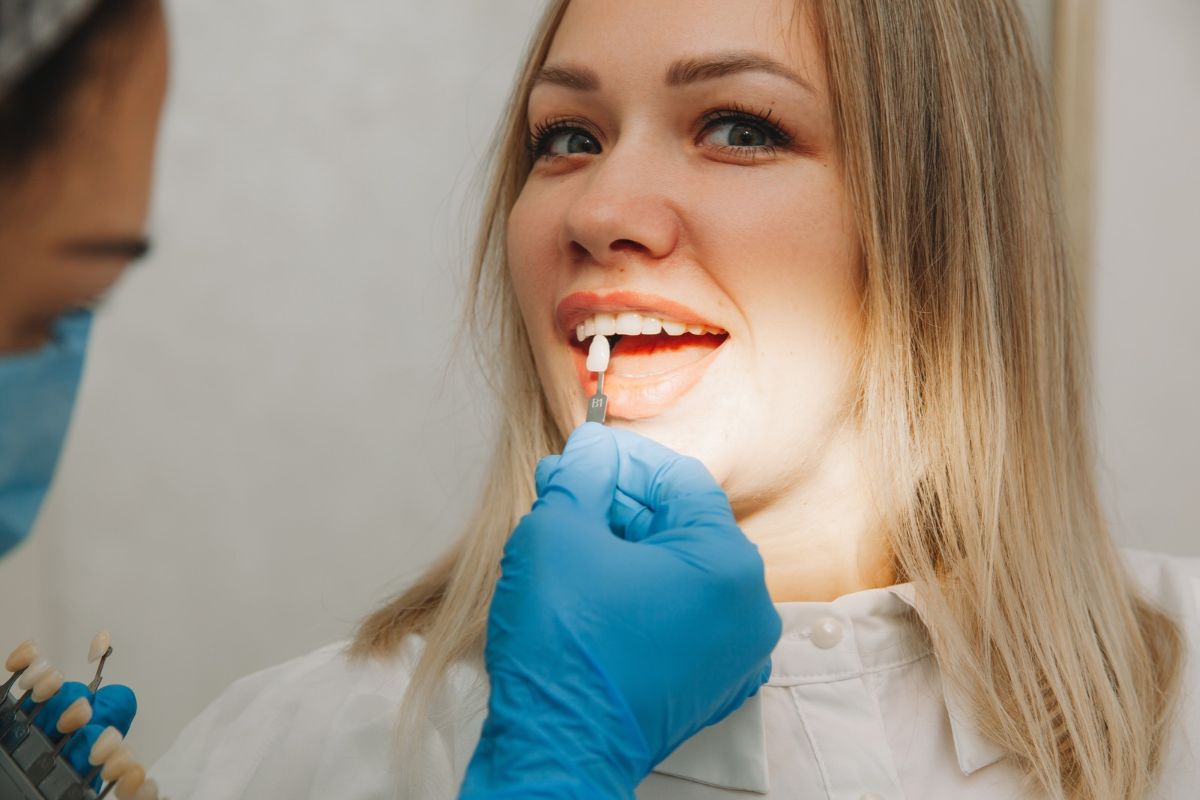
A dental professional can examine your teeth, identify the type of discoloration, and determine whether whitening is appropriate.
Depending on your needs, available options may include:
- Professional whitening: Designed to reduce certain types of stains and brighten natural teeth.
- Whitening trays: Custom-fitted trays may be recommended for a more controlled whitening process.
- Dental bonding: Can improve the appearance of selected discolored, chipped, or uneven areas.
- Porcelain veneers: May help address deeper discoloration and other cosmetic concerns when appropriate.
Keep in mind that crowns, veneers, fillings, and other restorations do not respond to whitening products in the same way as natural teeth.
A personalized evaluation helps you choose an option that suits your dental health and cosmetic goals.
When Should You Consider a Dental Evaluation?
Not every change in tooth color is caused by food or drinks. Sometimes discoloration can indicate an underlying dental concern.
Consider scheduling an examination if you notice:
- Sudden darkening of a single tooth.
- Brown or gray spots that do not improve with cleaning.
- Tooth discoloration accompanied by pain or sensitivity.
- White spots or changes in enamel appearance.
- Stains that continue to worsen despite good oral hygiene.
A dentist in Round Rock can examine your teeth, identify possible causes, and recommend appropriate care rather than relying on guesswork.
Frequently Asked Questions
Can coffee permanently stain my teeth?
Frequent coffee consumption can cause persistent surface stains over time. Professional cleaning and appropriate whitening treatments may help reduce them, depending on the severity of discoloration.
Why are my teeth yellow even though I brush every day?
Natural aging, enamel thinning, genetics, certain medications, and surface stains can all contribute to yellow-looking teeth. Regular brushing helps, but it cannot address every cause of discoloration.
Does drinking water help prevent tooth stains?
Yes. Drinking or rinsing with water after consuming staining foods and beverages can help wash away pigments and food residue. It is a helpful habit, although it does not replace brushing and flossing.
Are over-the-counter whitening products safe?
Some over-the-counter whitening products can be safe when used according to their instructions. However, they may cause sensitivity or gum irritation. Ask a dental professional before starting treatment, especially if you have existing dental concerns.
How often should I get professional teeth cleaning?
The recommended schedule depends on your oral health, gum condition, and individual risk factors. Many people benefit from cleanings every six months, while others may need more frequent visits.
Give Your Teeth the Care They Deserve
Your everyday habits have a bigger influence on tooth color than you might think. From your morning coffee to your nighttime brushing routine, small decisions can affect how your teeth look and feel over time.
You don’t have to give up everything you enjoy to maintain a brighter appearance. With consistent oral hygiene, mindful food and drink choices, and professional guidance, you can take better care of your teeth.
If stains or discoloration are keeping you from feeling confident, Polished Smiles of Round Rock is here to help you explore cosmetic options suited to your needs. Book an appointment today and take the next step toward a healthier-looking, naturally brighter smile.