
By Polished Smiles of Round Rock | October 27, 2026
Getting a dental implant is an exciting step toward restoring your ability to eat comfortably and enjoy everyday life. But once the procedure is over, you may wonder how long healing will take, when you can return to your normal routine, and what you should do to protect your results.
The good news is that recovery is usually manageable with the right preparation and aftercare. Knowing what to expect at each stage can help you feel more confident, recognize normal healing, and understand when it is time to contact your dental team.
If you are considering dental implants round rock, understanding the healing process can help you plan your meals, work schedule, and follow-up appointments with greater peace of mind.
What Happens After Dental Implant Surgery?
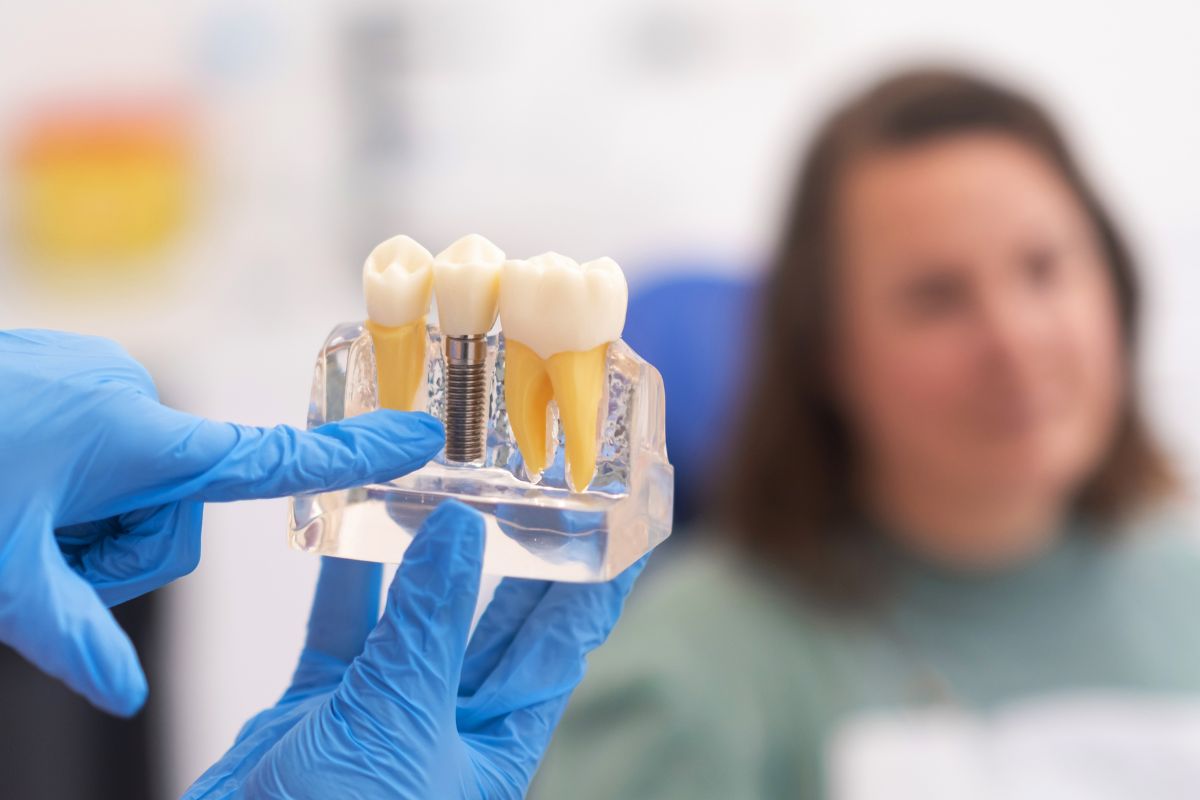
A dental implant is a small post, usually made of titanium, that is placed in the jawbone to support a replacement tooth. After placement, the surrounding bone gradually bonds with the implant through a natural process called osseointegration.
Healing happens in stages, and every patient progresses at a slightly different pace. Your recovery may depend on your overall health, bone quality, the number of implants placed, and whether you need additional procedures such as bone grafting.
Here is what you can generally expect.
The First Day: Rest and Protect the Surgical Area
The first day is all about allowing your body to begin healing. Once the anesthesia wears off, you may experience mild soreness, swelling, or a small amount of bleeding around the surgical site.
What you can do:
- Rest and avoid strenuous physical activity.
- Eat soft, cool or lukewarm foods, such as yogurt, mashed potatoes, or applesauce.
- Apply a cold compress as directed by your dental team.
- Take prescribed or recommended medication according to your provider’s instructions.
- Avoid smoking, drinking through a straw, and disturbing the surgical area.
Try to keep your schedule light, especially if your job involves physical activity. If you live or work around Round Rock and need to commute, arrange transportation if you will still be affected by sedation.
The First Few Days: Manage Swelling and Discomfort
Swelling, tenderness, and mild bruising can be normal during the early healing period. These symptoms often become more noticeable during the first couple of days before gradually improving.
Continue choosing soft foods that require minimal chewing. Scrambled eggs, oatmeal that has cooled, soft pasta, and smoothies eaten with a spoon can make meals easier.
Keep these recovery tips in mind:
- Follow your provider’s cleaning instructions carefully.
- Avoid chewing directly on the implant site.
- Drink plenty of water.
- Avoid strenuous exercise until your dental team says it is safe.
- Attend to any medication instructions and follow-up recommendations.
A helpful reminder: Feeling better does not necessarily mean the implant has fully healed. The surface tissues may improve before the implant has bonded securely with the jawbone.
The First Week: Return to Your Routine Gradually
Many patients find that their discomfort begins to ease during the first week. You may be able to return to work and regular daily activities sooner, depending on the complexity of your procedure and how you feel.
Continue brushing and cleaning your mouth as directed, taking care around the surgical site. Do not skip oral hygiene, but avoid vigorous rinsing or brushing directly over the healing area until your provider confirms it is appropriate.
You should also keep your follow-up appointment if one has been scheduled. Your dental team can check the surgical site and make sure healing is progressing as expected.
If you notice worsening pain, increasing swelling, persistent bleeding, fever, or discharge from the surgical area, contact your dental provider promptly rather than assuming these symptoms are part of normal recovery.
The Following Weeks: Healing Continues Beneath the Surface
Even when your gums feel comfortable, your jawbone still needs time to bond with the implant. This process cannot be judged by discomfort alone.
During this stage, continue protecting the implant and following your personalized care instructions. Your provider may recommend a temporary restoration while the area heals, depending on your treatment plan.
Avoid putting unnecessary pressure on the implant, especially if your dental team has advised you to chew on the opposite side or follow a specific diet.
Patients who have received bone grafts or undergone more complex treatment may need additional healing time before moving forward.
The Following Months: Implant Integration and Final Restoration
Bone integration often takes several months. The exact timeline varies according to your bone health, implant location, and whether additional procedures were necessary.
Once your provider confirms that the implant is stable enough, the next stage may involve attaching an abutment and placing the final crown or another restoration.
Your replacement tooth is designed to fit your bite and function as part of your mouth. Regular checkups and good home care remain important after the final restoration is placed.
A dentist in Round Rock can explain the expected timeline for your particular case and help you understand when each stage of treatment is appropriate.
What Can Help You Recover More Comfortably?
Small, consistent habits can make a meaningful difference during healing.
- Eat thoughtfully: Choose nutritious, soft foods early in recovery and return to firmer foods only as directed.
- Keep the area clean: Follow your provider’s instructions for brushing, rinsing, and cleaning around the implant.
- Avoid tobacco: Smoking and other tobacco use can interfere with healing and increase the risk of implant complications.
- Keep follow-up visits: Your dental team needs to monitor healing before advancing treatment.
- Follow your individual plan: Your recovery may differ from someone else’s, particularly if you had bone grafting or multiple implants placed.
For Round Rock residents balancing work, school schedules, and family responsibilities, planning a little downtime after surgery can make recovery less stressful.
Frequently Asked Questions
How long does dental implant recovery take?
Initial discomfort often improves within several days to about a week, while the implant may need several months to bond with the jawbone. Your overall treatment time depends on your individual circumstances.
When can I eat normally after implant surgery?
Start with soft foods and gradually return to your usual diet when your dental provider says it is safe. Avoid hard, crunchy, or chewy foods that could put pressure on the healing site.
Is swelling normal after dental implant surgery?
Mild swelling and tenderness are common during early recovery. Symptoms should gradually improve. Contact your provider if swelling worsens or occurs with fever, increasing pain, or other concerning symptoms.
Can I brush my teeth after getting an implant?
Yes, but you should follow your provider’s specific instructions about when and how to clean near the surgical area. Keeping the rest of your mouth clean is important throughout recovery.
When can I get my permanent crown?
A permanent crown is generally placed after your provider determines that the implant has healed sufficiently and is stable. The timing varies depending on bone healing, implant location, and your treatment plan.
Take the Next Step Toward a Healthier, More Complete Smile
Dental implant recovery is a gradual process, but knowing what lies ahead can make each stage easier to manage. With careful aftercare, healthy habits, and regular professional monitoring, you can support healing and protect your long-term results.
At Polished Smiles of Round Rock, you can discuss your treatment goals, recovery expectations, and the care needed at every stage of implant treatment. Schedule an appointment today to explore your options and get guidance tailored to your oral health needs.