
By Polished Smiles of Round Rock | September 3, 2026
Have you ever looked in the mirror and wondered if your teeth could be straighter, your bite could feel more comfortable, or that one stubborn tooth could finally move into place? You are not alone. Orthodontic concerns can affect children, teens, and adults, and they are not always limited to the appearance of a smile.
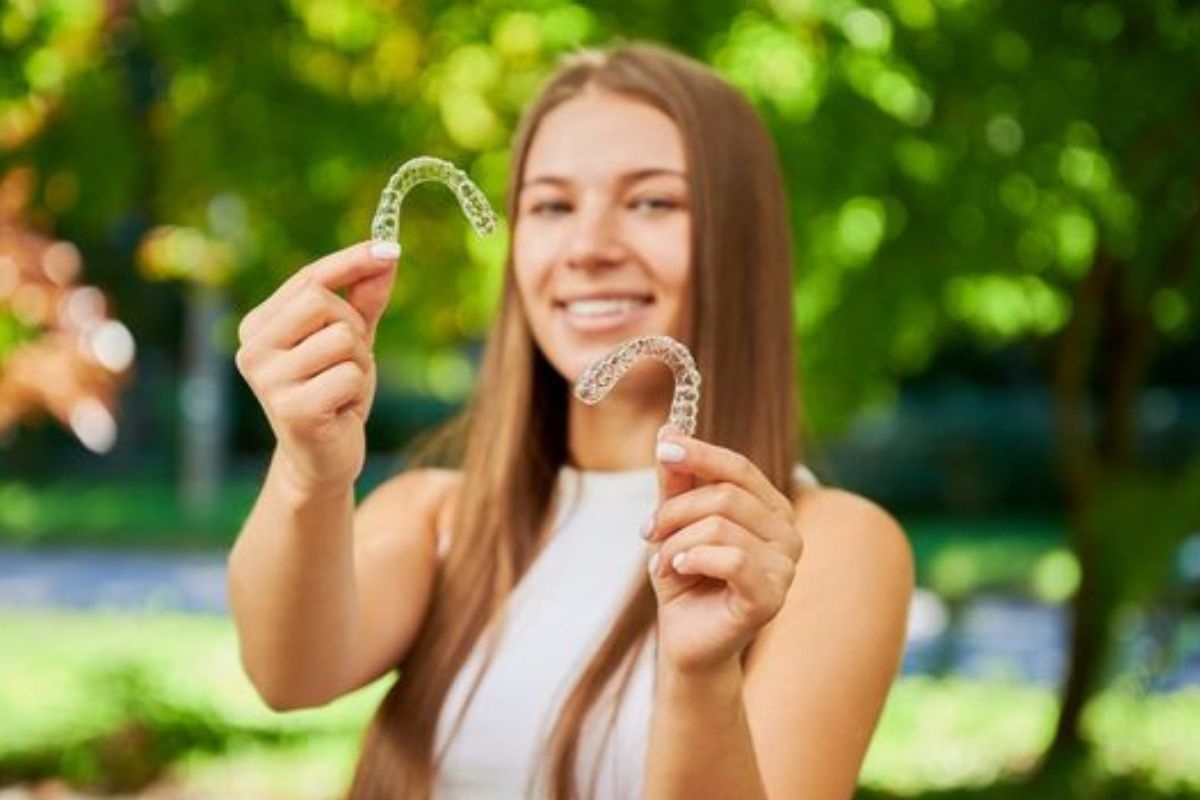
Crowded teeth, unwanted gaps, or an uneven bite can sometimes make brushing, flossing, chewing, or smiling confidently more difficult. Fortunately, modern orthodontic treatment offers options beyond traditional metal braces. Invisalign clear aligners use a series of custom-made, removable trays to gradually move teeth according to a personalized treatment plan.
At Polished Smile of Round Rock, Dr. Daniel Im and Dr. Laura Maxey can evaluate your teeth and bite to determine whether Invisalign may be an appropriate option for your smile. Here are six common orthodontic concerns that Invisalign may help correct.
1. Crowded or Overlapping Teeth
When there is not enough room for teeth to fit properly along the dental arch, they may overlap, rotate, or appear crooked. You may notice crowding most clearly in the front teeth, but it can occur throughout the mouth.
Crowding is more than a cosmetic concern. Overlapping teeth can create tight spaces where food and plaque are harder to remove, making a thorough brushing and flossing routine more challenging. Depending on the severity and cause of the crowding, Invisalign may gradually create a more orderly alignment by moving teeth into planned positions.
For someone who has always felt self-conscious about crowded front teeth, even small improvements can make a noticeable difference in how they feel about their smile. If you are in Round Rock, TX, or a surrounding community and are considering Invisalign treatment for crowded or overlapping teeth, you are welcome to visit Polished Smile of Round Rock to discuss your smile goals and treatment options.
2. Gaps Between Teeth
Do you have a noticeable space between two teeth? These spaces, often called diastemas, can occur anywhere in the mouth, although gaps between the upper front teeth are particularly common.
Some gaps are simply a natural feature of a person’s smile. Others can develop because of tooth size, tooth position, gum-related changes, or other factors. If a gap is increasing or is associated with another dental concern, an examination can help identify the cause.
In appropriate cases, Invisalign can gradually bring spaced teeth closer together. The aligners are designed to make controlled movements, helping close selected spaces while working toward a balanced overall bite.
If you have a gap you would like to change, the first step is finding out why it is there. Closing the space without addressing an underlying issue may not provide the lasting result you want.
3. Overbite or Deep Bite
An overbite refers to the vertical overlap of the upper front teeth over the lower front teeth. A certain amount of overlap is normal, but a deeper-than-ideal bite can sometimes contribute to tooth wear, jaw discomfort, or other dental concerns.
This is where orthodontic treatment can involve more than simply making the front teeth look straighter. The goal is to improve how the upper and lower teeth come together while creating a more balanced smile.
Invisalign treatment can address many overbite cases, although the approach depends on the cause and severity of the bite. Treatment may involve carefully planned tooth movements and, in some cases, additional features such as attachments or elastics.
Your dentist can examine how your teeth meet and explain whether clear aligners are appropriate for your particular bite.
4. Underbite
An underbite occurs when the lower front teeth sit in front of the upper front teeth when you close your mouth. For some people, this is primarily related to tooth position. In other cases, the relationship between the upper and lower jaws plays a larger role.
An underbite can affect more than your appearance. Depending on its severity, it may make chewing or speaking more difficult and can contribute to uneven tooth wear.
Invisalign may correct some underbite cases by gradually repositioning the teeth. However, not every underbite can be treated with clear aligners alone. More significant jaw discrepancies may require a different approach or treatment in combination with other procedures.
That is why an in-person evaluation matters. Rather than assuming Invisalign will or will not work, your dental team can assess the relationship between your teeth and jaws and discuss realistic options.
5. Crossbite
A crossbite occurs when some upper teeth sit inside the corresponding lower teeth when you bite down. It can affect one tooth, several teeth, or different areas of the mouth.
Crossbites can sometimes contribute to uneven tooth wear and an unbalanced bite. Because the cause and severity can vary from one patient to another, treatment needs to be planned carefully.
Invisalign treatment can address certain crossbite cases using a series of controlled tooth movements. Invisalign’s treatment options include both anterior and posterior crossbite cases, although the appropriate approach depends on the patient’s individual anatomy and diagnosis.
If you notice that some of your teeth seem to bite “inside” the others, it is worth bringing up at your next dental appointment. A small-looking alignment issue may be connected to a larger bite concern.
6. Open Bite
When some teeth do not touch when you close your mouth, you may have an open bite. An anterior open bite, for example, occurs when the upper and lower front teeth do not overlap.
You may notice an open bite when biting into certain foods. In some cases, it can also affect chewing or speech. Open bites can have different causes, including certain childhood habits, tongue thrusting, jaw growth patterns, or other factors.
Invisalign can treat certain open bite cases by gradually repositioning the teeth. However, the underlying cause matters. A comprehensive evaluation helps determine whether clear aligners alone are appropriate or whether additional care may be needed.
Is Invisalign Right for Your Smile?
Reading about orthodontic concerns can help you recognize possible problems, but it cannot tell you whether Invisalign is the right treatment for you. Two people with similar-looking crooked teeth may have very different underlying causes and treatment needs.
During an Invisalign consultation, your dentist can examine your teeth, bite, and overall oral health. Your treatment plan is then designed around your specific smile rather than a one-size-fits-all approach.
Invisalign may be an attractive option for patients who want a more discreet alternative to traditional braces. The aligners are removable, allowing patients to take them out for eating and routine brushing and flossing. However, successful treatment also depends on wearing the aligners as directed and following your dentist’s recommendations.
A Straighter Smile Starts With the Right Evaluation
Whether you are bothered by crowded teeth, a stubborn gap, an uneven bite, or another alignment concern, you do not have to guess about your options. The right treatment begins with understanding what is causing the problem and what can realistically be changed.
At Polished Smile of Round Rock, Dr. Daniel Im and Dr. Laura Maxey provide personalized dental care for patients in Round Rock and surrounding communities. If you are considering Invisalign, an evaluation can help you understand whether clear aligners fit your dental needs, goals, and lifestyle.
Ready to explore your Invisalign options? Schedule an appointment with Polished Smile of Round Rock today and take the first step toward a straighter, more confident smile.
Frequently Asked Questions
1. What orthodontic concerns can Invisalign correct?
Invisalign can help correct several common concerns, including crowded teeth, gaps, overbites, underbites, crossbites, and some open bites.
2. Can Invisalign fix crowded or overlapping teeth?
Yes. Invisalign can gradually move crowded or overlapping teeth into better positions when the case is suitable for clear aligner treatment.
3. Is Invisalign effective for bite problems?
Invisalign can correct certain bite problems, including overbites, underbites, crossbites, and open bites. Treatment depends on the severity and cause of the concern.
4. How do I know if Invisalign is right for me?
An evaluation with a dentist can determine whether Invisalign is appropriate for your teeth, bite, oral health, and treatment goals.
5. Can I get Invisalign in Round Rock, TX?
Yes. Patients in Round Rock, TX, and surrounding communities can visit Polished Smile of Round Rock to discuss Invisalign treatment with Dr. Daniel Im and Dr. Laura Maxey.